(Mis)Understanding Translations
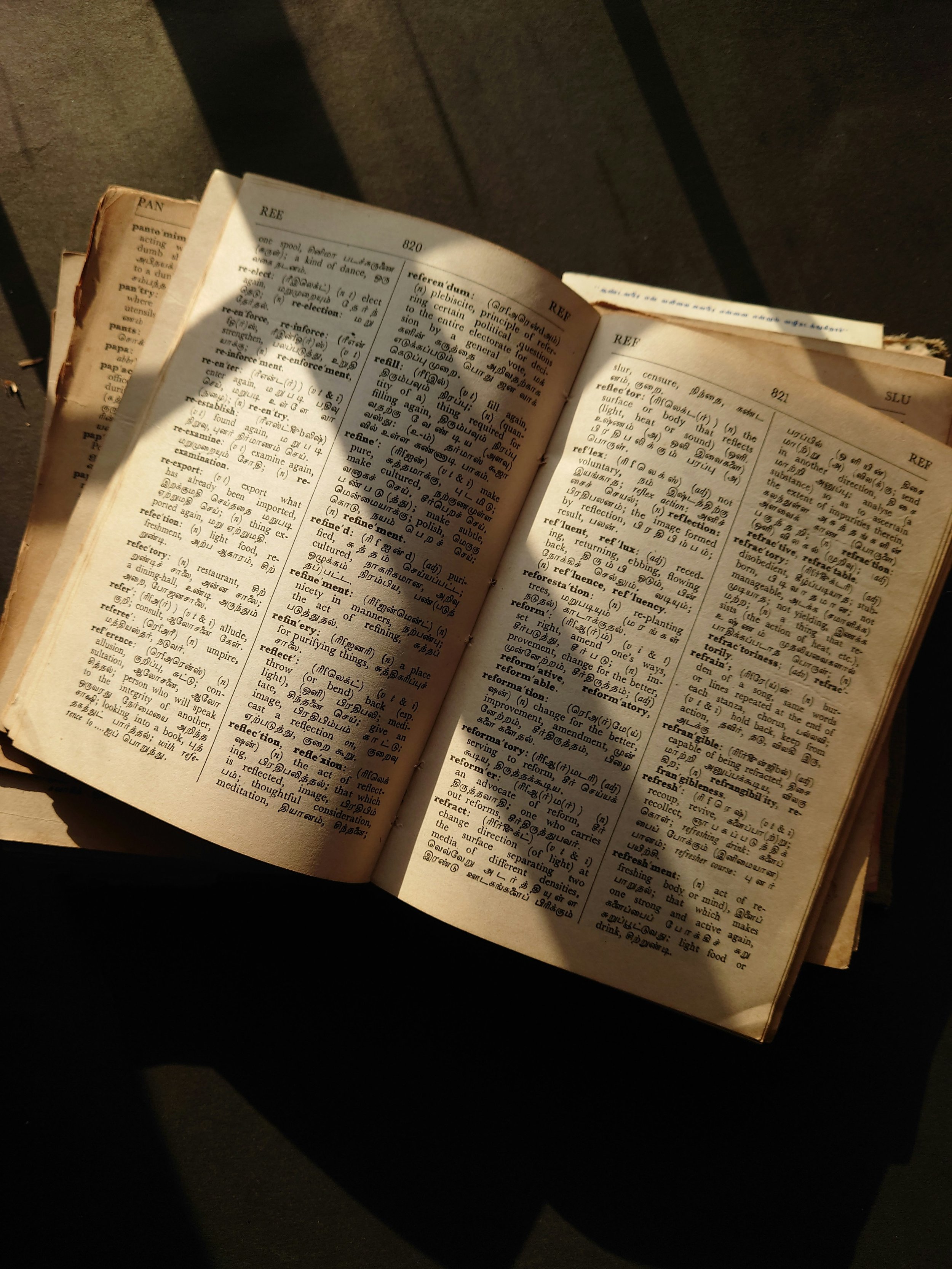
If you have been a follower of Mill House Ministries for any amount of time, you will have seen us use the Greek and Hebrew definitions of words. But have you ever wondered why we do this? Many Christians today simply read their Bibles at face value. They don’t dive into the finer details of God’s word, and that is to their detriment because it prevents them from growing in their faith. Not only that, but diving deeper is something that God will reward people for doing. “It is the glory of God to conceal a matter, But the glory of kings is to search out a matter.” Proverbs 25:2. There is so much more to God’s word than we realize if only we take the time to study it. However, in order to study God’s word, we need to have a good translation.
When I first became a Christian, I was very confused about why there were so many types of Bibles. If it is all God’s word, shouldn’t it all say the same thing? And, with the exception of certain Bibles, they do. However, if you are not careful with the translation you use, if you are not comparing it back to the Greek, Hebrew, and Aramaic meanings of the words, you can easily be swayed into false doctrine.
Let me give you an example that I recently found. Look at John 5:29.
“and will come out: those who did the good deeds to a resurrection of life, those who committed the bad deeds to a resurrection of judgment.” (NASB)
“and come out, those who have done good to the resurrection of life, and those who have done evil to the resurrection of judgment.” (ESV)
“and come forth—those who have done good, to the resurrection of life, and those who have done evil, to the resurrection of condemnation.” (NKJV)
Looking at these three translations, you might think they all say the same thing. Except when you take into consideration that there is an ongoing argument within churches about whether or not you can work for your salvation. Out of these three translations, there is one clear one that gives the impression that we must provide good works in order to be saved, an impression that goes completely against Isaiah 64:6, “But we are all like an unclean thing, And all our righteousnesses are like filthy rags; We all fade as a leaf, And our iniquities, like the wind, Have taken us away.”
This post isn’t meant to get into the false ideas behind a works-based religion, but it is meant to make you, the reader, consider what translation you are using. We at Millhouse Ministries recommend using a translation from the Textus Receptus. If you are like me, when I first heard this, you have no idea what this means. A Textus Receptus Bible contains the translation base for the first Greek translation of the New Testament into English by William Tyndale and is the textual base for the Bishops Bible, the Geneva Bible, and the King James Bible. However, this does not mean Mill House Ministries supports a King James only view; we recognize that Bibles from the Textus Receptus translation adhere to the words of Hebrew/Greek/Aramaic definitions without cutting anything out, unlike the Critical text.
There are translations that have added and some that have deleted parts of God’s word (Critical Text). This was done because individuals didn’t think that it would be possible for God to be 100 percent accurate (like with the book of Daniel), and so they left out prophecies. Or things were added to make the meaning clearer, but it only resulted in divisions among believers. Or, and most terrifyingly, mentions of the prophecies that Jesus Christ fulfilled have been removed because individual sects did not want people to believe that Jesus is the Son of God. If they remove these prophecies and how Jesus fulfills them, then people can be led astray.
So what am I asking you to take away from this post? I simply ask that you consider the translation that you are using. Refer back to the original meanings of the words. See if your translation has added things or removed them. But most importantly, take God’s word seriously. Dive deep into it. When you do, your faith is only made stronger. If you want to know more about this translation, see Dr. Ken Johnson at Biblefacts.org. In the end, we need to be laser-focused on the Word of God as it is written in its original language, not in English. Jesus confirmed this stricter level of interpretation by stating, Matthew 5:18 “For assuredly, I say to you, till heaven and earth pass away, one jot or one tittle will by no means pass from the law till all is fulfilled.” He clearly cared about what we might call the dot of an “i” and the crossing of a “t”; this means we should too!
Seek the truth and encourage one another,
Alex